Situated along the edge of the Great Rift Valley, the Ngorongoro Crater is widely regarded as Tanzania’s most extraordinary natural wonder. This breathtaking landscape shelters one of the densest concentrations of wildlife in Africa, offering world-class game viewing in an unrivaled setting.
The Crater was formed millions of years ago when a massive volcano collapsed in on itself, creating the world’s largest intact dry caldera. Today, it stands as both a geological marvel and a thriving wildlife sanctuary. Recognized as a UNESCO World Heritage Site in 1979, the Ngorongoro Crater has also earned its place among the Seven Natural Wonders of Africa.
Stretching over 16 kilometers across and enclosed by towering forested walls rising more than 600 meters, the Crater is a stunning natural amphitheater. Within its boundaries lie a mosaic of ecosystems open grasslands, swamps, marshes, and forests with Lake Magadi resting at its center. This shallow alkaline lake attracts large flocks of flamingos, making it one of the best birdwatching spots in Tanzania.
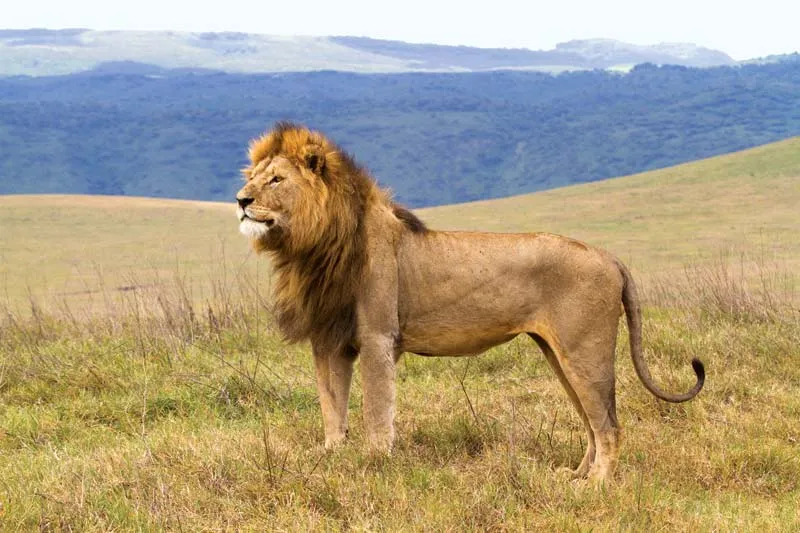
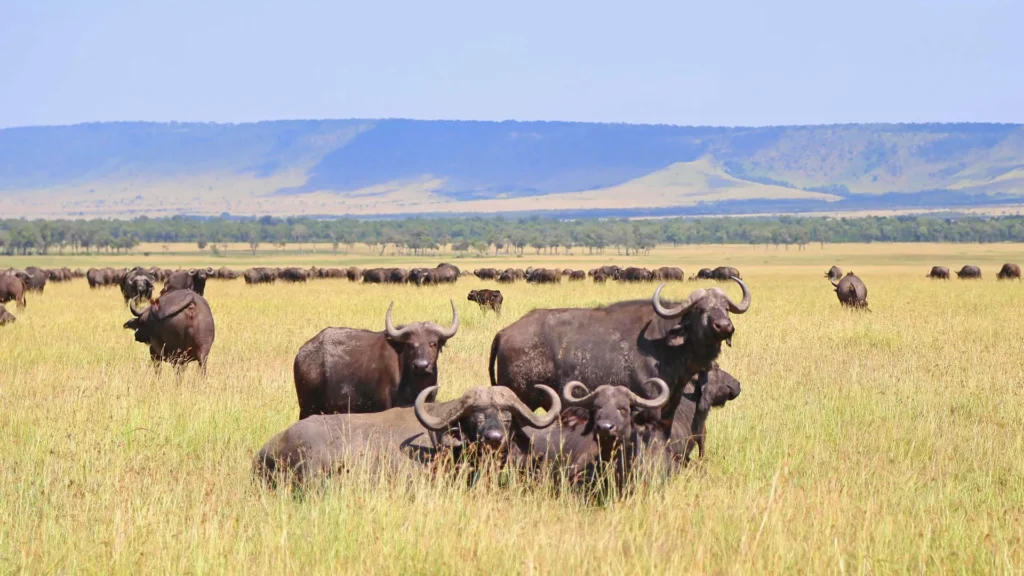
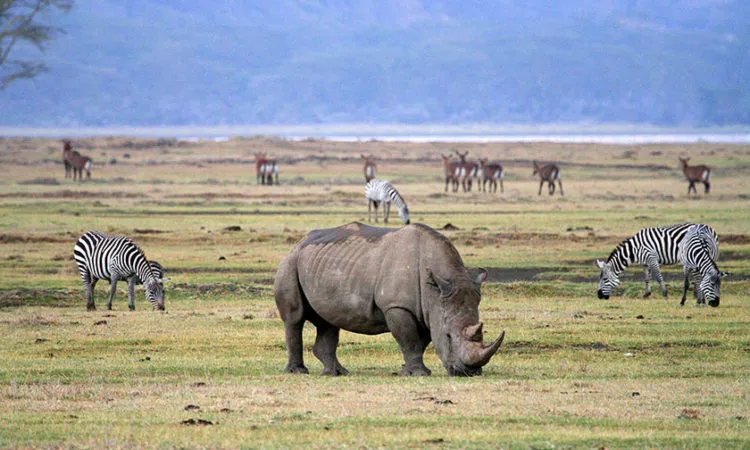
The Crater floor is rich with predators, including lions, leopards, cheetahs, spotted hyenas, and both golden and side-striped jackals. Vast herds of buffalo, wildebeest, zebra, and gazelle roam the open plains, while eland and bushbuck browse in the lush Lerai Forest. The Crater is also home to Tanzania’s most stable population of endangered black rhinos.
Wildlife here is remarkably accustomed to safari vehicles, allowing for exceptional close-up encounters and outstanding photography. Beyond the Crater, visitors can explore the scenic Ngorongoro Highlands, where dramatic landscapes and cultural experiences add another layer to the adventure.
Because of its popularity, access to the Crater is limited to half-day permits to help manage visitor numbers and protect this delicate ecosystem.
Contact us to begin planning your exclusive, tailor-made safari experience in the Ngorongoro Crater.
WhatsApp us